Porcelain Cutting and Fabrication: Basins, Worktops and Stairs
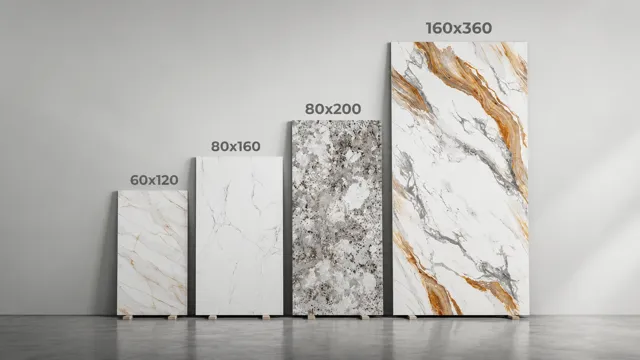
Porcelain is no longer just for floors and walls. Large-format slabs, combined with digital cutting technology, now turn it into complete architectural elements, with one colour and one texture throughout a space.
What Can Be Made from Porcelain?
| Product | Description |
|---|---|
| Basins | Porcelain-clad basins, including the bowl; wall-hung, countertop or pedestal |
| Kitchen worktops | Worktops, splashbacks and islands tailored to the kitchen and appliance layout |
| Stairs | Treads with concealed lighting under the nosing, or rounded edges with grooves |
| Skirting | Finishes the floor-to-wall junction in the same material as the floor |
| Cladding strips | Strips for walls and details in various sizes and colours |
| Mosaics | Small pieces arranged in geometric and decorative patterns |
| Waterjet panels | Decorative floor and wall compositions to a bespoke design |
Cutting and Shaping Techniques
- Straight cutting to size: According to approved drawings and bills of quantities.
- Edge bevelling and mitred joints: Edges cut at 45 degrees so two pieces meet without a visible edge, making the surface appear solid.
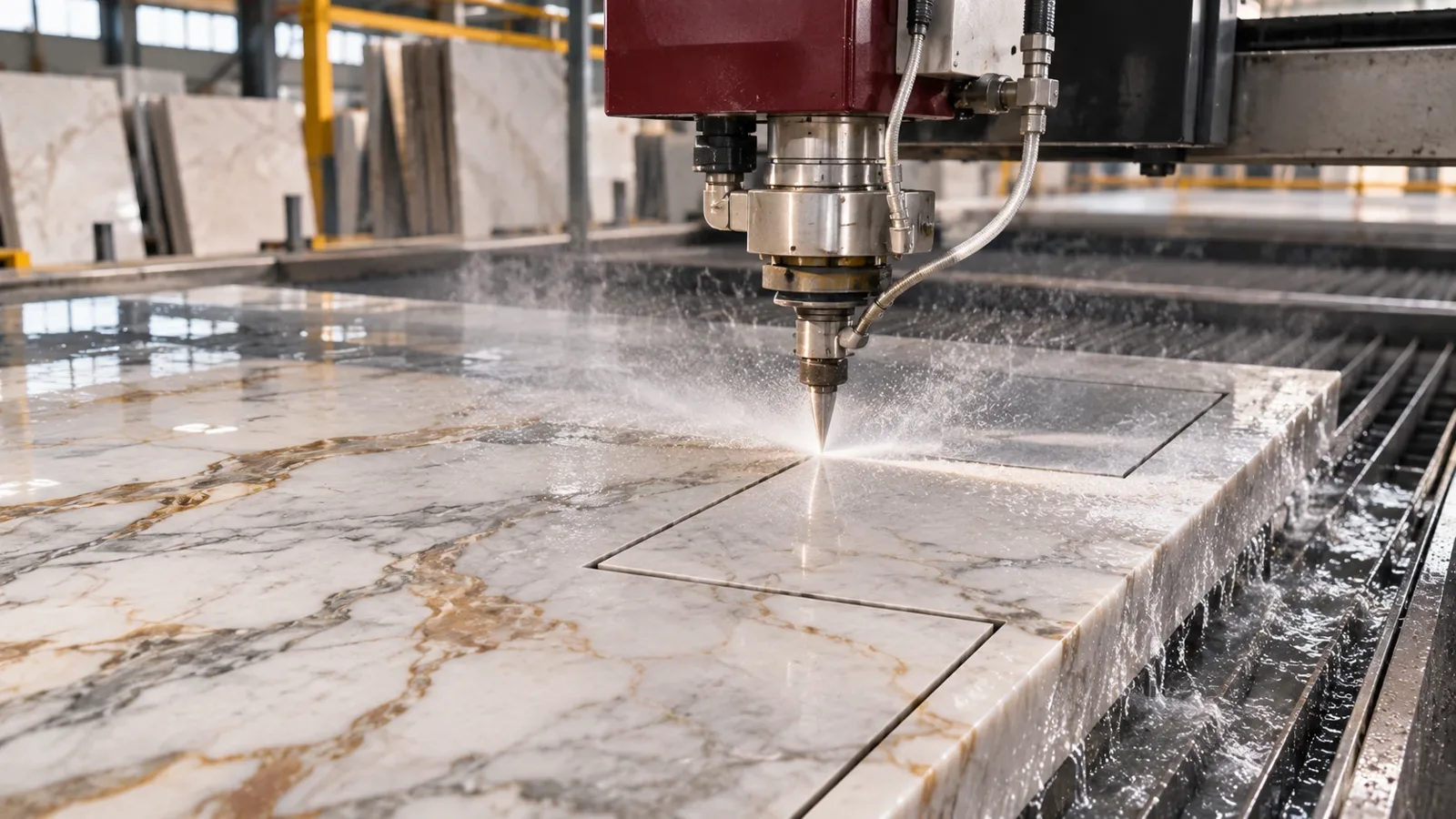
- Waterjet cutting: A high-pressure water jet mixed with abrasive cuts curves, patterns and complex shapes with high precision and no heat damage to the material.
- Cut-outs: Openings for sinks, taps, hobs and services, made precisely in the factory before installation.
How Is a Porcelain Basin Made?
- Foam core: A high-density foam base resistant to water and humidity.
- Cutting and preparation: Porcelain slabs are waterjet-cut and the basin components prepared to size.
- Bonding and finishing: Porcelain is bonded to the foam with a dedicated adhesive, then joints are sanded and cleaned.
- Inspection and delivery: Dimensions, finish and fixing are checked, and the product is protected for delivery or shipping.
Why Porcelain for Worktops and Basins?
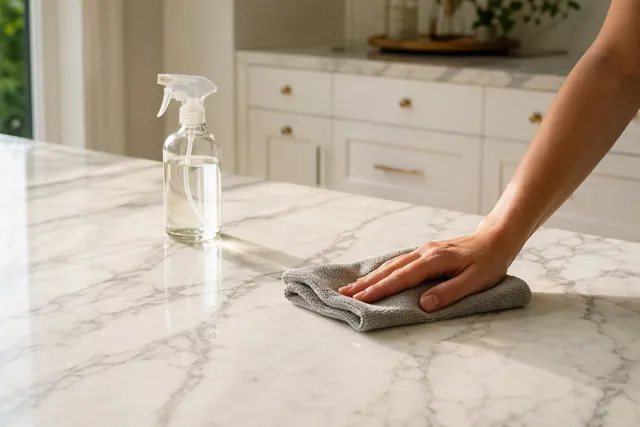
Porcelain is virtually non-porous, so it does not absorb stains or need periodic sealing like natural marble. It also resists heat, scratches and UV light, keeping its colour indoors and outdoors.
The Makarm Cutting & Fabrication Division
Makarm's cutting and fabrication division processes porcelain and large-format slabs into bespoke elements for architectural and interior design, using large and small saws, waterjet machines, edge-finishing machines and assembly tables, under the supervision of specialist technicians. Every order follows four stages: product selection, design approval, manufacturing and inspection, and packaging and delivery.
Learn more on the Cutting & Fabrication page →
Frequently Asked Questions
What is the difference between waterjet and saw cutting?
Saws make fast straight cuts; waterjet cutting produces curves, complex shapes and precise cut-outs without cracking.
Is a porcelain basin as durable as a ceramic one?
Yes, when built on a high-density foam core with precisely finished joints, with the added benefit of matching the bathroom floor and walls.
Can a porcelain kitchen worktop be made in one piece?
It depends on the worktop length and available slab size. Where a joint is needed, it is cut precisely and the veining matched as closely as possible.
What information is needed for a made-to-measure piece?
The drawing or exact dimensions, the material and colour, edge and cut-out details, and where the piece will be used.