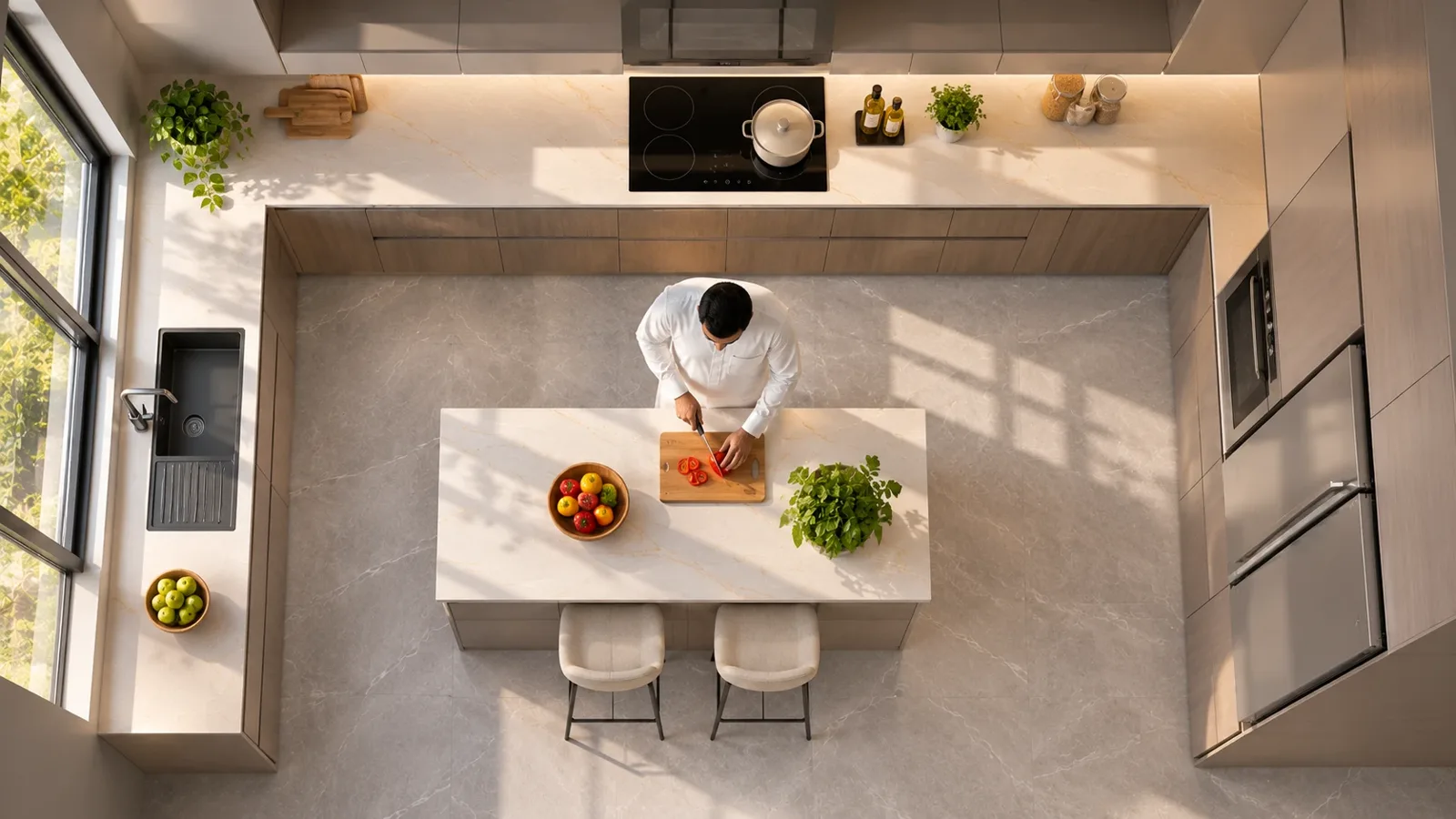
Kitchen Design and Materials: A Practical Guide
The kitchen is the most used room in the home and the most exposed to water, heat and humidity. A successful design rests on three decisions: a layout that eases movement, materials that withstand daily use, and fittings that keep working for years.
Choosing a Layout
- L-shaped: Suits most medium-sized spaces and leaves room for a small dining table.
- U-shaped: Maximum storage and worktop; suits large kitchens.
- Galley: Two parallel runs; efficient in long, narrow spaces.
- Single wall: For small apartments and kitchens open to the living area.
- Island: Extra worktop and a gathering point; needs clearances of at least 100 cm around it.
The practical rule: keep the refrigerator, sink and hob within close, balanced distances, with no obstacles between them.
Cabinet Materials
| Material | Benefits | Best for |
|---|---|---|
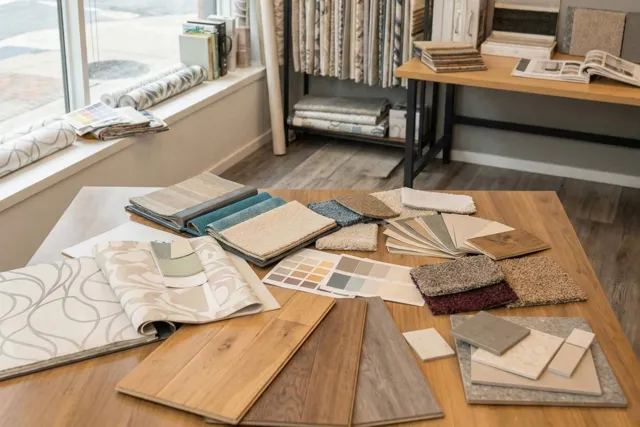
| Moisture-resistant MFC | Resists water and swelling; plain or wood-effect finishes | Most home kitchens |
| Moisture-resistant MDF | Allows 3D designs and fluted or grooved doors | Contemporary, detailed designs |
| Aluminium | Rust- and moisture-proof, light and durable | High-use kitchens and coastal areas |
Worktops
| Material | Benefits | Considerations |
|---|---|---|
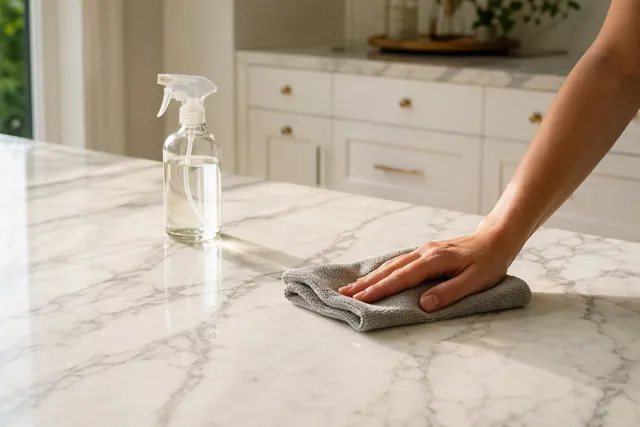
| Marble | Luxurious natural look with unique veining | Needs periodic sealing; sensitive to acids |
| Granite | Hard and resistant to heat and scratches | Fewer colour options |
| Quartz | Uniform colour; non-porous and easy to clean | Avoid high direct heat |
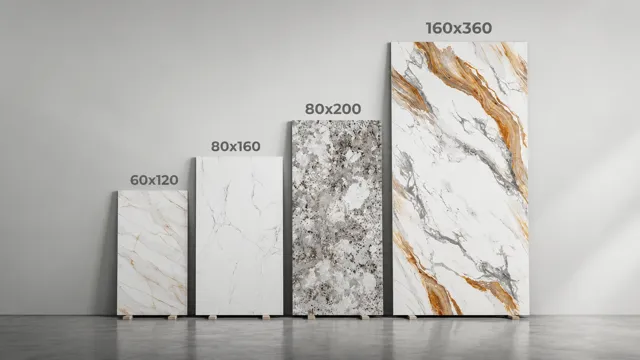
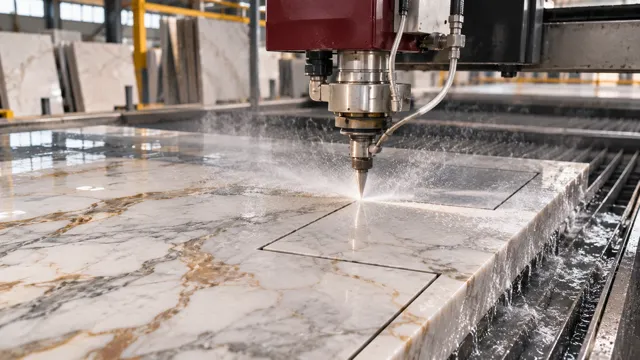
| Porcelain | Resists heat, scratches and stains; thin profiles and large slabs | Requires specialist cutting and fabrication |
| Acrylic solid surface | Seamless and mouldable | Less resistant to heat and scratches |
Opening Systems and Hardware
- Gola system: An integrated profile instead of handles, for clean, continuous fronts.
- Visible handles: The most practical option, adding a design element.
- Push to open: Handle-free opening at a touch.
- Hinges and runners: The most frequently moving parts of a kitchen; their quality determines its real lifespan. Soft-close hinges and full-extension runners deserve priority in the budget.
Makarm Kitchens
The Makarm kitchens and cabinets factory designs and builds kitchens to suit each home and project, across seven collections in a variety of materials and colours: wood-based collections with a 10-year warranty and aluminium collections with a 25-year warranty. German Blum hinges and drawer runners carry a 25-year warranty, while marble and granite worktops come from Makarm's own factories. Every project follows five stages: consultation and site survey, 3D design, manufacturing, delivery and installation, and after-sales service.
Explore the collections on the Kitchens & Cabinets page →
Frequently Asked Questions
What is the difference between MFC and MDF?
MFC is particleboard with a factory-applied melamine surface, practical and moisture-resistant. MDF is denser and smoother, allowing routing, 3D designs and painted finishes.
Are aluminium kitchens suitable for homes?
Yes. They are ideal in humid and coastal areas as they neither rust nor swell, and come in plain and wood-effect colours.
Which worktop best withstands heavy daily use?
Porcelain, quartz and granite are among the most durable options; the choice depends on the desired look and cooking habits.
How does the kitchen design stage work?
It starts with on-site measurements, followed by a 3D design showing layout, materials and colours, which is approved before manufacturing.